Getting Around Phnom Penh: Transport Guide for Expats and Visitors
April 2024
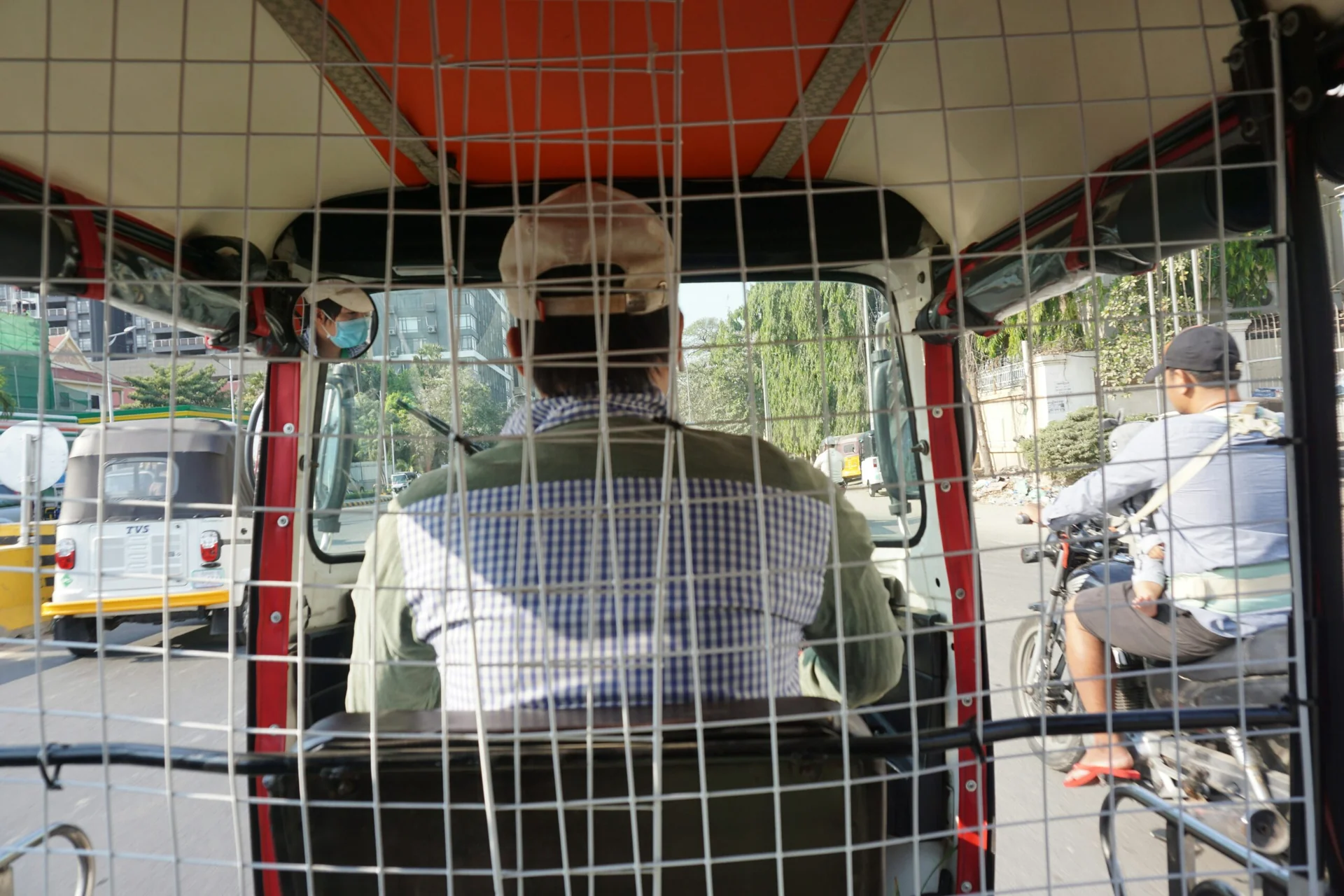
Phnom Penh does not have a metro or an extensive bus network, but getting around the city is considerably easier — and cheaper — than most new arrivals expect. The combination of ride-hailing apps, tuk-tuks, and the city's compact layout means that most residents in central areas like BKK1 and Tonle Bassac can reach anywhere they need within 15–20 minutes.
PassApp: The Local Favourite
PassApp is Cambodia's homegrown ride-hailing app and the preferred choice of most long-term residents. It offers motorcycle taxis, tuk-tuks, and cars — all bookable within the app at fixed prices. Fares are typically 10–30% lower than Grab for comparable journeys, and the app has a strong reputation for driver reliability and GPS accuracy within the city. Download it before you arrive.
Grab: The Familiar Option
Grab operates in Phnom Penh and will be familiar to anyone who has used it elsewhere in Southeast Asia. It is slightly more expensive than PassApp but offers a consistent interface and English-language customer service. Many visitors use Grab on arrival and switch to PassApp once they are settled.
Tuk-Tuks and Motodops
Street-hailed tuk-tuks remain a Phnom Penh institution — particularly useful for short trips, market visits, and situations where you want more flexibility than a fixed route. Agree a price before you depart. Motodops (motorcycle taxis) are faster for solo travel in traffic and cost a fraction of a tuk-tuk for similar distances.
Driving Yourself
Many long-term residents choose to drive — cars and motorbikes are readily available for rent or purchase, and international driving licences are generally accepted. Traffic in central Phnom Penh is manageable outside of rush hours (7–9am and 5–7pm), and the road network within the expat areas is well-maintained. Parking is widely available and inexpensive by regional standards.