Techo International Airport: What It Means for Real Estate Investors
November 2025
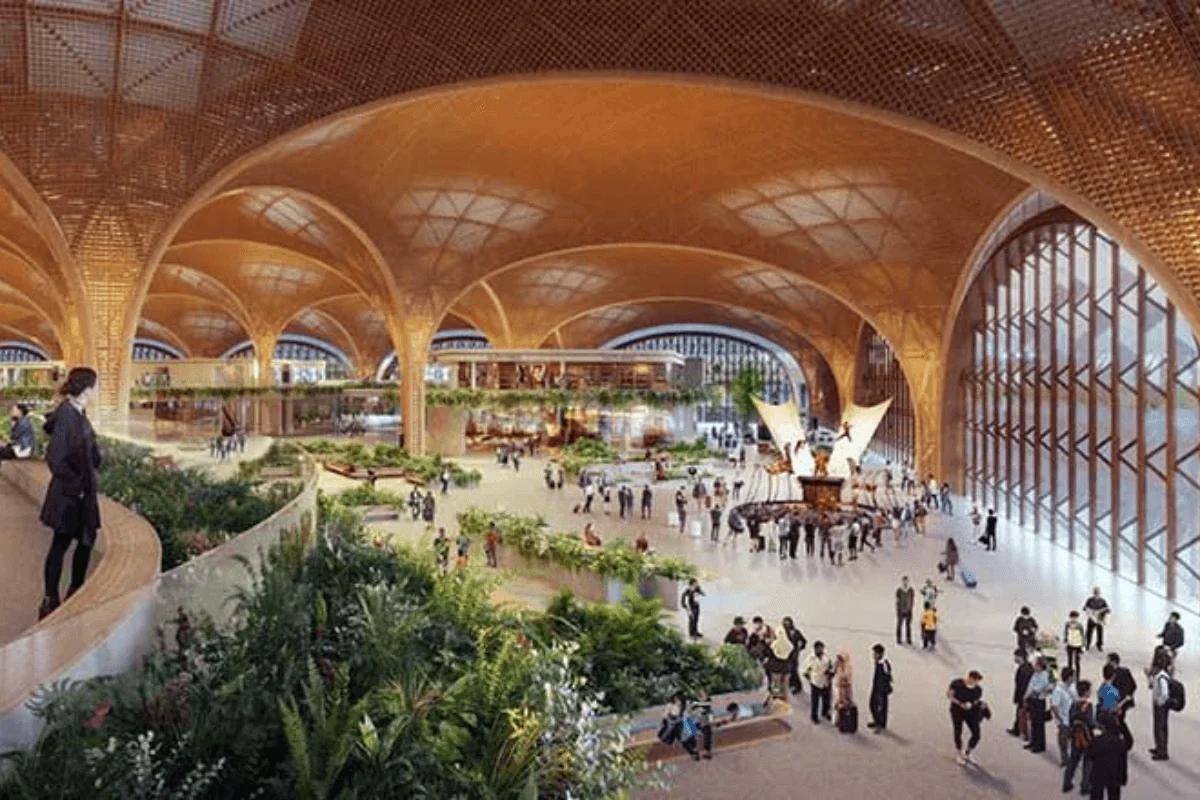
On 9 September 2025, Cambodia opened Techo International Airport — one of the largest new airports in Asia, replacing the former Phnom Penh International Airport entirely. Built across 2,600 hectares south of the capital at a cost of approximately USD 1.5 billion, the airport is already reshaping the investment geography of the country.
For real estate investors already active in Cambodia — or watching from the sidelines — the opening represents a structural shift, not just an infrastructure upgrade. Here is what the evidence suggests, zone by zone and year by year.
The Airport in Brief
Located approximately 19km south of central Phnom Penh — around 30 minutes by road — Techo handles both international and domestic flights, with capacity to serve up to 50 million passengers annually at full build-out. Phase 1 targets 13–15 million passengers per year. A direct flight between Narita and Techo, operated by Air Cambodia, has further strengthened the airport's link with Japan.
The airport's design — featuring wooden arches inspired by Khmer architecture and a light-filled atrium — was selected as one of eleven architectural projects shaping the world. It signals Cambodia's intention to compete on the global stage, not just regionally.
How the Investment Landscape Is Shifting
The opening of a major international airport consistently drives land price appreciation in the surrounding corridors. The pattern is well established — Bangkok's Suvarnabhumi, Kuala Lumpur's KLIA2, and Vietnam's forthcoming Long Thanh all demonstrate the same trajectory. Techo is following it.
Land within a 10km radius of the airport appreciated by approximately 30–50% between 2019 and 2024 — before the airport even opened. The Takhmau district to the north and Kandal Province to the south have seen the sharpest rises, driven by logistics, commercial, and residential development.
Investment Zones Around Techo Airport
Land: USD 180–250/m² · Warehousing, cold storage, distribution centres · High competition, fast returns for early movers.
Land: USD 80–120/m² · Low-rise condominiums and housing estates · Rental yields of 6–8%/year, driven by airport and logistics employment.
Land: USD 100–180/m² · Hotels, retail complexes, mixed-use · Major developers including Chip Mong, Prince Group, and OCIC are active here.
Land: USD 30–60/m² · Resort, agri-tourism, long-stay developments · Patient capital, 7–10 year horizon.
A Roadmap to 2030
The investment case compounds over time. By 2026–2027, residential and commercial development around the airport is expected to accelerate significantly. The government's planned Special Economic Zone designation — with corporate tax exemptions of up to nine years and import duty relief — is targeted for 2029, adding another layer of upside for early investors.
By 2030, passenger throughput is forecast to exceed 13 million annually — a more than threefold increase from opening year. Land values within 10km of the airport are projected to rise 50–60% from their 2025 levels. The economic zone around the airport is expected to be substantially formed, with logistics, manufacturing, hospitality, and retail all represented.
Important Considerations for Foreign Investors
Foreign nationals cannot directly own land in Cambodia. Condominium units from the first floor upward remain the most accessible route to freehold property ownership, with foreign buyers permitted to hold up to 70% of any single building. For land-based investments near the airport, long-term lease structures or Cambodian joint ventures are the established frameworks.
Infrastructure timelines in Cambodia should be treated conservatively. The planned rail link between central Phnom Penh and Techo has been revised to a 2028 start date. Some road connections remain incomplete. These are not disqualifying factors, but they are reasons to work with advisors who have genuine on-the-ground experience.
Anna Advisors has been active in Cambodia real estate for over a decade. If you would like to discuss how the Techo opportunity fits your investment profile, please contact our team directly.